

By Brian Boek
When homeowners shop for new flooring, they usually focus on the exciting decisions—colors, styles, textures, and materials. While selecting the right flooring is important, the long-term success of the installation often depends on something homeowners never see: the condition of the surface underneath.
At Floors In Motion, we've found that many San Diego home flooring problems can be traced back to inadequate floor preparation. That's why every successful flooring installation starts with a thorough evaluation of the subfloor and site conditions.
Why Is Floor Preparation Important Before Installing New Flooring?
Floor preparation creates a stable foundation for your new flooring. Without proper preparation, even the highest-quality flooring materials can develop problems over time.
Proper floor preparation helps:
Prevent flooring failure
Improve appearance and finish quality
Increase durability and lifespan
Ensure proper adhesion
Meet manufacturer warranty requirements
Protect your investment
In many cases, flooring failures are not caused by defective products. They're caused by moisture issues, uneven surfaces, or substrate problems that were never addressed before installation.
How Can Moisture Damage New Flooring?
One of the most common causes of flooring failure is excess moisture in the concrete slab or subfloor.
Moisture can lead to:
Adhesive failure
Bubbling and blistering
Warping and expansion
Mold and mildew growth
Premature flooring replacement
The challenge is that moisture problems are often invisible. A floor may appear completely dry while still containing enough moisture to damage new flooring materials.
Professional moisture testing helps identify potential issues before installation begins, allowing them to be corrected before they become expensive problems.
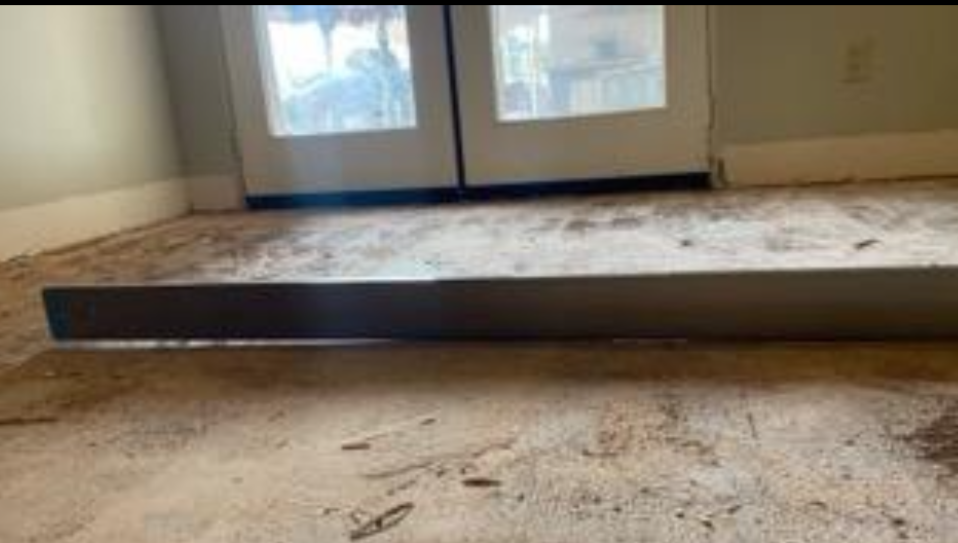
What Happens If a Subfloor Isn't Flat?
Many homeowners assume a floor is ready for installation if it looks smooth. Unfortunately, even minor imperfections can affect the finished result.
An uneven subfloor can cause:
Hollow or soft spots
Flooring movement
Excessive wear
Visible imperfections
Reduced product lifespan
Depending on the condition of the substrate, floor preparation may include:
Concrete grinding
Floor patching
Crack repair
Self-leveling underlayment
Surface smoothing
Creating a flat surface allows the flooring to perform as intended and helps achieve a cleaner, more professional appearance.
Can Dust, Paint, or Old Adhesive Cause Flooring Problems?
Yes.
Surface contamination is one of the most overlooked causes of flooring installation issues.
Materials that can interfere with adhesion include:
Old flooring adhesive
Paint residue
Oils and grease
Construction dust
Concrete curing compounds
Before installation, the substrate should be properly cleaned and prepared to ensure adhesives and installation systems bond correctly. Skipping this step can lead to costly repairs and premature flooring failure.
Should Existing Subfloor Damage Be Repaired Before Installation?
Absolutely. Cracks in concrete, damaged underlayment, weak substrate areas, and other structural concerns should be addressed before new flooring is installed.
Installing flooring over an unstable surface often means the underlying problems will eventually transfer through to the finished floor.
Professional floor preparation identifies and corrects these issues before installation, helping ensure long-term performance and reliability.
The Long-Term Benefits of Proper Floor Preparation
Although floor preparation isn't the most visible part of a flooring project, it directly impacts:
Appearance
Durability
Performance
Warranty compliance
Long-term value
Investing in proper preparation helps prevent unexpected repairs and ensures your flooring performs as intended for years to come.
Why Floors In Motion Prioritizes Floor Preparation
At Floors In Motion, we believe exceptional flooring begins long before the first plank, tile, or carpet is installed.
Every project starts with evaluating:
Moisture conditions
Subfloor integrity
Surface flatness
Existing damage
Installation readiness
By addressing potential problems before installation begins, we help homeowners avoid surprises and enjoy beautiful, long-lasting flooring.
When it comes to flooring, what's underneath matters just as much as what's on top.
Frequently Asked Questions About Floor Preparation
Is floor preparation really necessary?
Yes. Proper floor preparation helps prevent moisture-related damage, adhesion issues, uneven wear, and premature flooring failure.
Does luxury vinyl plank require floor preparation?
Yes. Luxury vinyl plank (LVP) requires a clean, dry, and flat subfloor to perform properly and maintain manufacturer warranty coverage.
How do flooring professionals test for moisture?
Professional installers use specialized moisture testing equipment to measure moisture levels in concrete slabs and subfloors before installation.
Can new flooring be installed over cracked concrete?
In many cases, yes—but the cracks should be evaluated and repaired before installation to prevent future problems.
How much does floor preparation affect flooring longevity?
Proper floor preparation can significantly extend the life of your flooring by reducing the risk of moisture damage, movement, and installation-related failures.
Ready to Start Your Flooring Project?
Floors In Motion brings the showroom directly to your home, helping you choose the right flooring while ensuring every installation begins with a solid foundation.
Contact us today to schedule your in-home consultation and learn how professional floor preparation can help protect your flooring investment. Book Now